Microsoft 365 has grown far beyond Word, Excel and PowerPoint. Alongside the familiar apps, Microsoft now includes a range of tools designed to help with organization, planning, collaboration and automation.
I use many of these apps regularly myself and make a point of exploring new Microsoft 365 tools as they’re introduced. Some have become part of my everyday routine for personal organization, while others are more useful for work or shared projects. Understanding what each app does and where it makes sense to use it makes it much easier to get real value from the Microsoft ecosystem.
In this post, I’ll walk through some of the most practical Microsoft 365 tools available today, including OneNote, Planner, To-Do, and Power Automate, along with a few additional apps worth knowing about. The goal isn’t to use everything, but to understand how these tools can help with everyday tasks, personal projects and collaborative work.
OneNote: A Flexible Digital Notebook
Microsoft OneNote is one of the Microsoft 365 tools I use the most, both personally and for ongoing projects. OneNote replaces notes, documents, screenshots and reminders saved in different places with a single space that’s easy to access from anywhere.
OneNote organizes information using notebooks, sections and pages, which makes it easy to keep related content together without forcing a rigid layout. You can type freely, move content around, and add information as needed without worrying about formatting.
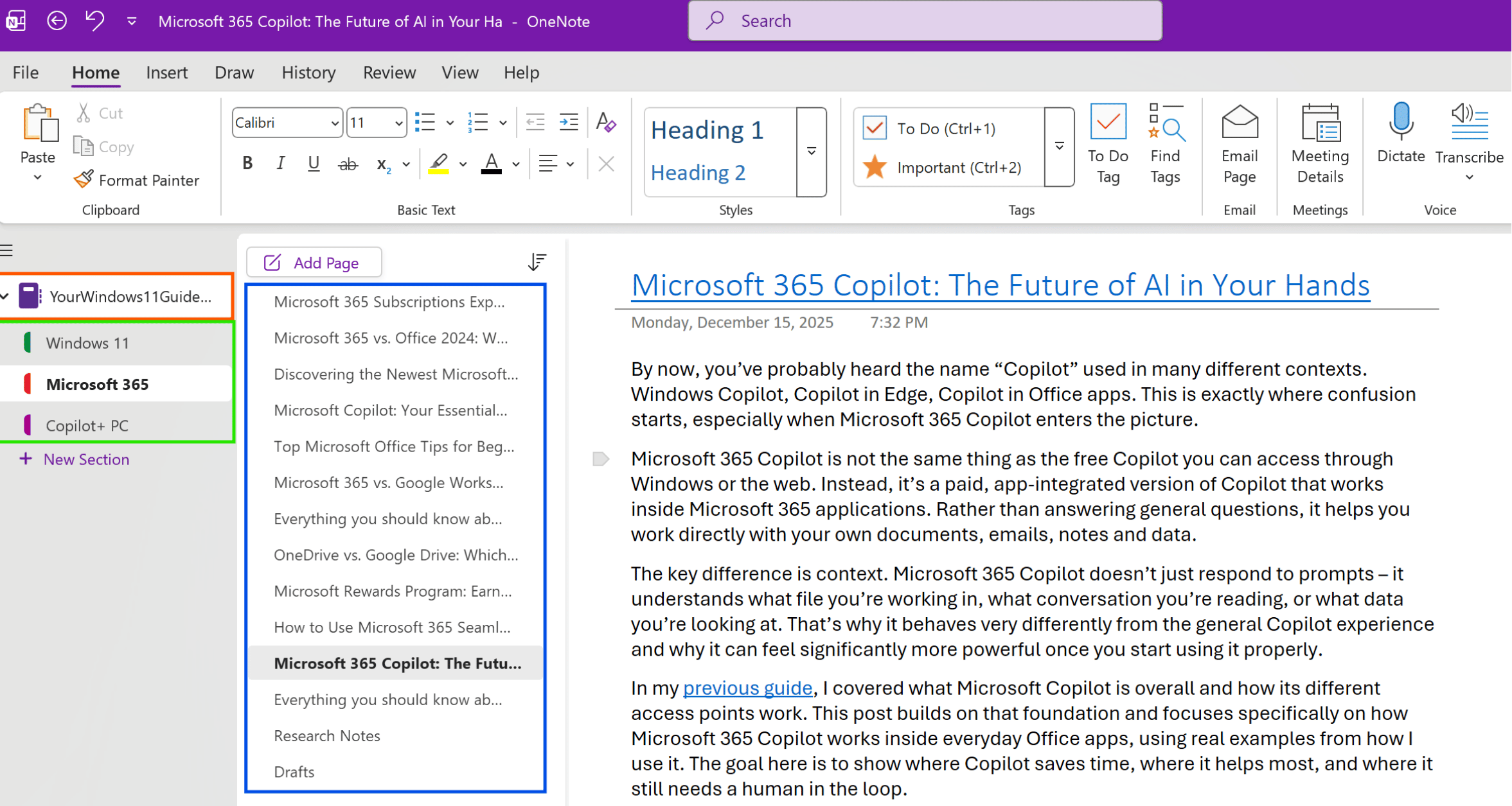
OneNote’s key features include:
- Multi-device syncing: Access notes across Windows, macOS, iOS and Android.
- Flexible layout: Type anywhere on the page instead of inside fixed boxes.
- Handwriting and drawing: Use a stylus or touch input for handwritten notes.
- Collaboration: Share notebooks and edit notes together in real time.
- Microsoft 365 integration: Link notes with Outlook emails, tasks and Word documents.
For me personally, OneNote works extremely well as a central place for managing my website, where I keep final versions of posts along with related notes and references. It helps me keep everything organized and easy to access while I’m working on updates or new content.
If you want a deeper, hands-on look at how OneNote works and how to organize it effectively, I’ve covered it in detail here: Everything you should know about OneNote.
Microsoft Planner: Task Management for Shared Projects
Microsoft Planner is designed primarily for shared task management, making it easier to organize work when more than one person is involved. It’s commonly used inside Microsoft Teams, but it can also be accessed on its own through Microsoft 365.
I don’t use Planner for everyday personal tasks, but it becomes very useful when work or projects involve multiple people and shared responsibility. In those situations, having a visual overview of tasks and progress makes coordination much easier than managing everything through email or individual to-do lists.
Microsoft Planner includes:
- Visual task boards: Organize work using buckets and cards.
- Task assignments: Assign tasks with due dates and track progress.
- File attachments: Add documents and links directly to tasks.
- Teams integration: Manage plans directly within Microsoft Teams.
While Planner is often associated with work environments, it can also be useful for personal projects that involve coordination, such as planning events, managing household projects, or working toward shared goals with family members. It works best when tasks need visibility and accountability across more than one person.
Microsoft To-Do: Personal Task Management
Unlike Microsoft Planner, which is designed for shared projects, Microsoft To-Do focuses on individual productivity. It works best as a personal task manager for keeping track of things you need to get done, without involving other people or complex setup. Key features include:
- Daily Task Lists: Create and organize daily and weekly tasks.
- My Day Feature: Prioritize tasks that need to be completed today.
- Reminders & Deadlines: Set due dates and reminders.
- Sync with Outlook: Manage Outlook tasks directly in To-Do.
To-Do is lightweight, easy to use and quick to understand. It’s well suited for managing everyday responsibilities and short-term goals, especially if you prefer a simple list-based approach rather than visual boards.
Power Automate: Streamlining Workflows with Automation
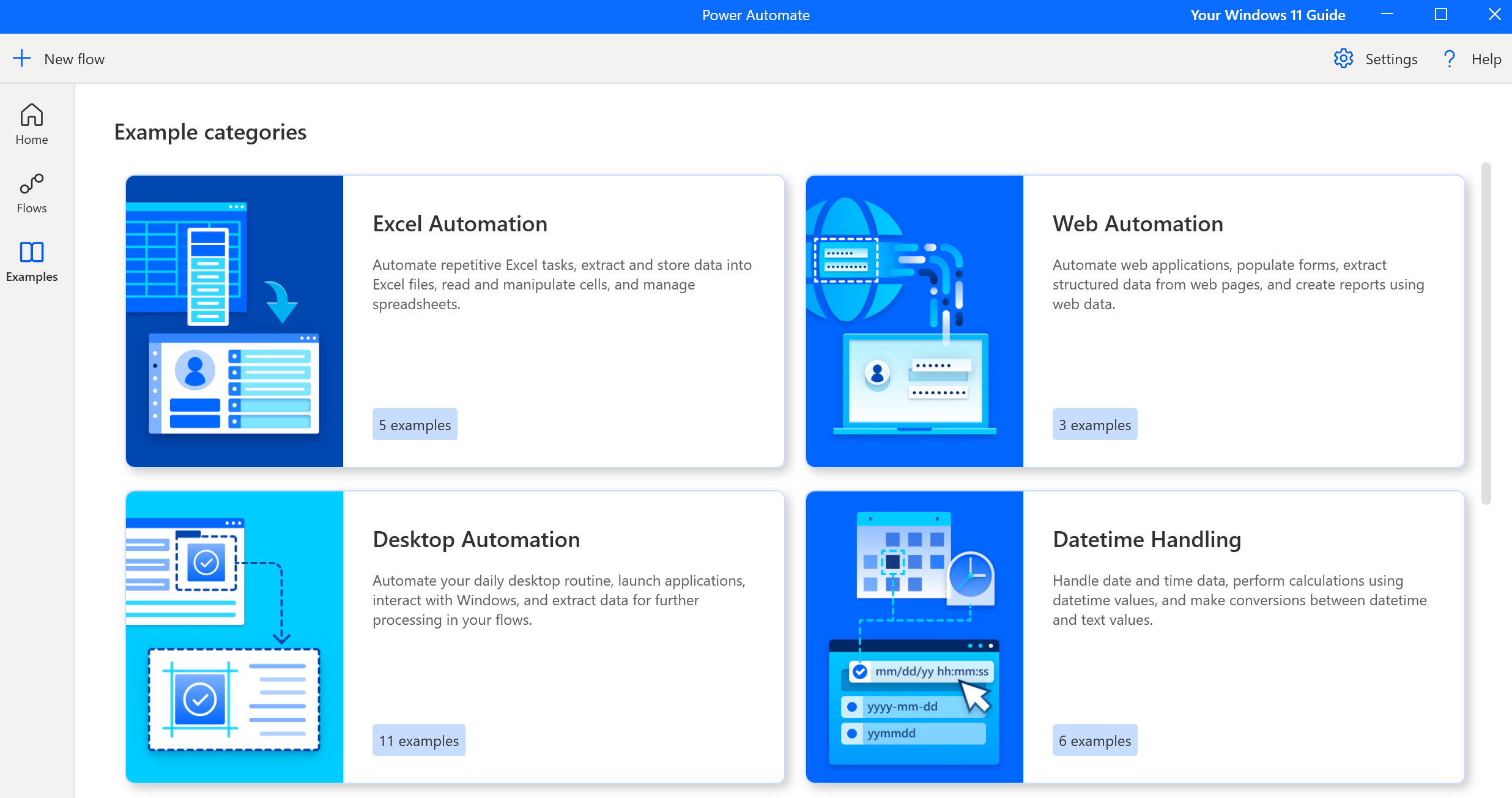
Power Automate helps automate repetitive actions between Microsoft apps and many third-party services. While it’s often associated with business workflows, it can also be useful for simple personal automations once you understand the basics.
Power Automate becomes helpful when you notice the same small task repeating over and over. Instead of doing it manually every time, Power Automate lets you create simple flows that run automatically in the background. Some practical examples include:
- Automatically saving email attachments to OneDrive.
- Creating reminders based on specific emails.
- Sending notifications when files are added or updated.
- Moving or organizing files without manual steps.
Power Automate offers pre-built templates, which makes it easier to get started without writing any code. You can choose a template, connect your apps, and adjust a few settings to fit your needs. As you become more comfortable, you can also build custom flows for more specific scenarios.
More Microsoft 365 Tools to Explore
In addition to the tools above, Microsoft 365 includes several other apps that may be useful depending on your needs:
- Microsoft Forms: Create surveys, quizzes, and polls to collect data and feedback from others. It’s an excellent tool for gathering insights and making informed decisions.
- Microsoft Lists: Track information and organize work efficiently. Create and manage lists with customizable views, templates, and integration with other Microsoft Office tools to enhance collaboration and productivity.
- Microsoft Sway: Design and share visually appealing presentations and reports. Sway offers an easy-to-use interface for creating interactive content that looks great on any device.
- Microsoft Bookings: Simplify scheduling and manage appointments with ease. Bookings integrates with your calendar and offers a user-friendly interface for clients to book appointments online.
- Microsoft Whiteboard: Collaborate in real-time with a digital canvas that allows you to draw, write, and brainstorm ideas. It’s perfect for remote meetings and creative sessions.
You don’t need to use all of these tools, but knowing what’s available makes it easier to choose the right one when a specific situation comes up. For more practical guidance be sure to check out our post Top Microsoft Office Tips for Beginners.
Microsoft 365 includes far more tools than most people will ever need, and that’s completely fine. The real value comes from understanding what each app is designed to do and choosing the ones that support how you work.
Tools like OneNote and To-Do work well for personal organization, Planner helps with shared projects, and Power Automate can reduce repetitive tasks. Starting with one or two tools is usually the most effective approach.